 Schedule a Tour

Village on the Park Plano
Rehabilitation vs Nursing Home in Plano, TX: Helping Families Choose the Right Next Step
In Plano, it’s common for adult children to manage senior care decisions while juggling demanding careers, school schedules, and busy family life. When a loved one is preparing to leave the hospital, the pressure can feel immediate and unfamiliar. Discharge planners may recommend rehabilitation or skilled nursing, and families often have to make choices quickly, even when they are still processing what just happened.
It’s also very normal to feel confused by the language. Rehabilitation and nursing homes are often discussed in the same breath, yet they serve different goals, timelines, and levels of medical care. The better you understand those differences, the easier it becomes to choose the right level of support without jumping to a higher level of care than your loved one truly needs.
This guide will help Plano families understand:
- What post-acute rehabilitation is intended to do after a hospital stay
- What skilled nursing facilities provide and when they are medically necessary
- How these options differ in care intensity, duration, and overall purpose
- What typically happens when rehabilitation is complete
- When assisted living may become the best long-term fit
Rehabilitation vs Nursing Home: What’s the Key Difference?
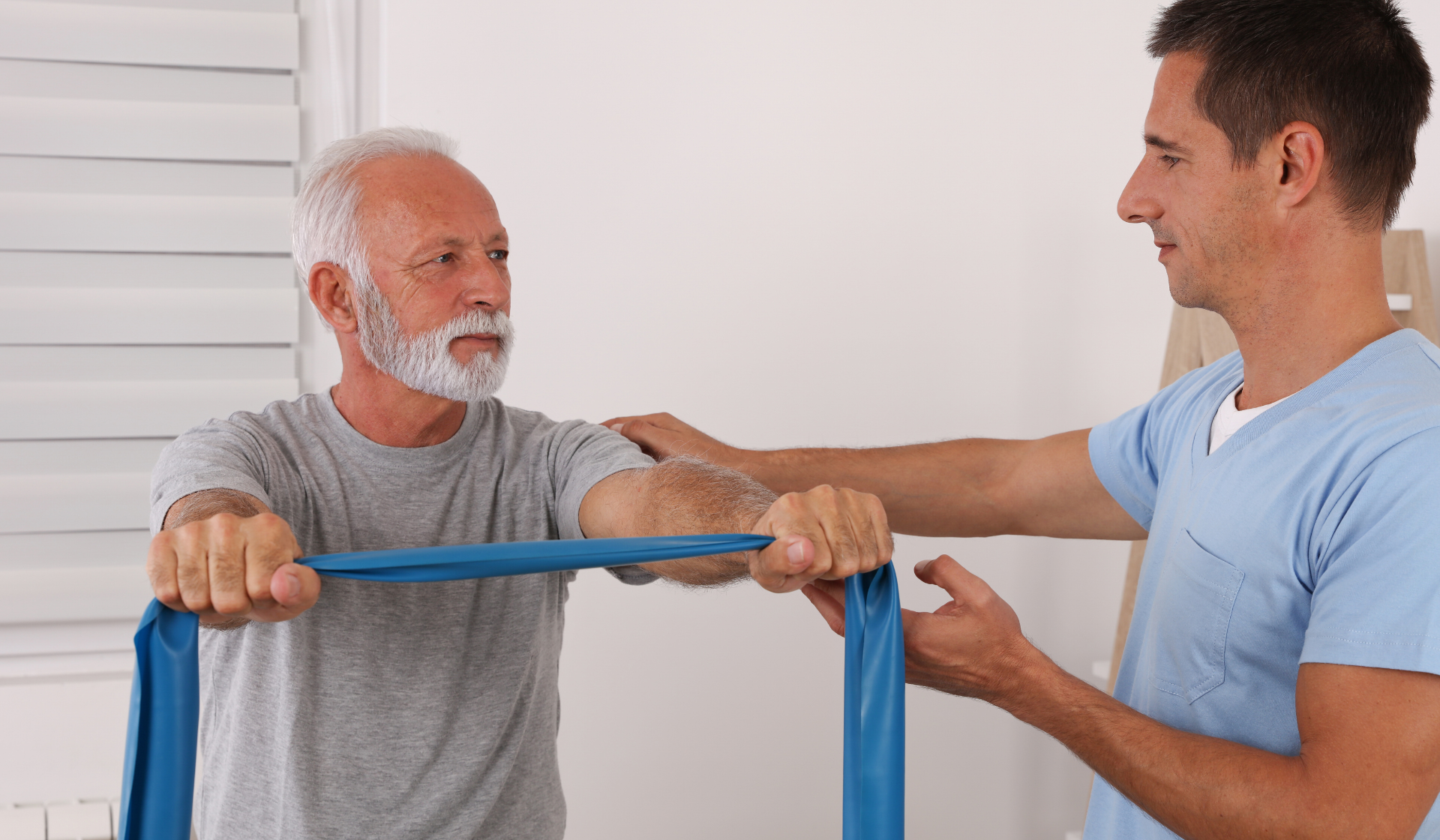
Rehabilitation (often called post-acute care) is designed to help someone recover and regain function after an illness, injury, or surgery. A nursing home, also known as a skilled nursing facility, is intended for people who need ongoing, 24/7 medical care and licensed nursing oversight for complex health needs. The central distinction is whether the plan is recovery and discharge, or continuous medical supervision.
Plano families frequently encounter both options during hospital discharge planning. The right setting often depends on:
- How much improvement is expected in the coming weeks
- Whether the person is medically stable or still requires close monitoring
- How long clinical-level care is likely to be needed
When families understand the difference, they are less likely to choose a more intensive environment than necessary, and more likely to find a setting that supports both safety and quality of life.
What Is Post-Acute Rehabilitation and When Is It Used?
Post-acute rehabilitation provides short-term therapy and nursing support to help individuals rebuild strength, balance, and independence after a hospital stay. It is goal-driven and temporary, and it typically includes structured therapy sessions scheduled multiple times per week. Progress is monitored closely, and care plans are adjusted based on measurable improvements.
The primary objective is to help the patient return home, or transition to a lower level of care once medical recovery has stabilized. Rehabilitation is not designed as permanent housing. It is a clinical stepping stone meant to support improvement and prepare a person for what comes next.
Common Situations That Lead to Rehabilitation
Rehabilitation is often recommended when improvement is expected and therapy can make a meaningful difference, such as:
- Recovery after joint replacement or surgery
- Stroke or cardiac recovery
- Regaining mobility after a fall
- Short-term strengthening after serious illness
In each of these scenarios, rehabilitation focuses on progress. Therapy teams typically aim to help the patient walk more safely, regain strength, improve endurance, and rebuild daily skills so a safe discharge can happen.
What Is a Nursing Home (Skilled Nursing Facility)?
A nursing home, also called a skilled nursing facility, provides continuous licensed nursing care and medical supervision for individuals who require ongoing treatment and cannot safely live independently. Skilled nursing is appropriate when medical needs are complex, chronic, or unstable, and when ongoing clinical oversight remains necessary.
In this environment, care delivery is medically focused. Length of stay may be extended or indefinite, depending on the person’s condition and long-term needs.
In the Plano area, skilled nursing is typically recommended when recovery potential is limited, or when a person’s health requires ongoing licensed nursing intervention throughout the day and night.
Who Typically Requires Skilled Nursing Care?
Skilled nursing is often necessary for individuals who need a high level of medical oversight, including:
- Individuals with advanced medical conditions
- Those needing frequent nursing interventions
- People unable to safely manage daily activities
- Individuals requiring continuous medical supervision
This is where it helps to separate “medical need” from “daily support.” Skilled nursing is centered on clinical management, while assisted living is focused on supporting daily routines in a residential setting.
Rehabilitation vs Nursing Home Care: A Side-by-Side Comparison
Families often find it helpful to view the two options through a simple comparison chart:
| Category | Rehabilitation (Post-Acute Care) | Nursing Home (Skilled Nursing) |
| Primary Purpose | Short-term recovery | Long-term medical care |
| Length of Stay | Temporary | Often long-term |
| Medical Intensity | Moderate, recovery-focused | High, ongoing |
| Therapy Services | Frequent and goal-driven | Limited or maintenance |
| Living Environment | Clinical, transitional | Medical-focused |
| Discharge Goal | Return home or lower care | Continued medical support |
| Best Fit For | Patients expected to improve | Patients with chronic needs |
Many people begin in rehabilitation and then transition once therapy goals are met. That transition is often where families need the most guidance, because the “next step” is not always obvious at first.
What Happens After Rehabilitation Is Complete?
Once rehabilitation goals are met, families often reassess what is realistic and safe for everyday life. In Plano, this is a common moment where adult children take a step back and ask practical questions such as:
- Is the home environment truly safe for daily living right now?
- Has the need for skilled nursing passed, or does medical supervision still need to remain constant?
- Would assisted living provide the right balance of independence, structure, and support?
Assisted living is often a step down from clinical care. It supports independence while providing help with daily routines and safety, without the intensity of a medically driven setting.
How Assisted Living at Village on the Park Plano Supports the Next Chapter
Village on the Park Plano does not provide rehabilitation or skilled nursing. However, the community frequently supports residents who are medically stable after rehab and ready for a more residential environment where daily support is the primary need.
Assisted living at Village on the Park Plano can support:
- Personalized help with daily activities such as bathing, dressing, and grooming
- Medication reminders or management for consistency and safety
- 24/7 team member availability for reassurance and support
- Restaurant-style dining in a warm, welcoming setting
- Housekeeping and scheduled transportation to reduce stress and simplify routines
- Wellness support and Life Enrichment programming that promotes engagement, purpose, and connection
For many Plano families, this shift matters emotionally as much as it does practically. A home-like community can help someone rebuild confidence after hospitalization, especially when the day includes routine, social opportunities, and familiar faces who know them personally.
Village on the Park Plano is known for relationship-centered care, consistent leadership, and a culture that supports dignity and independence. Families often appreciate the transparent communication and the feeling of true partnership during a time that can otherwise feel uncertain.
How Do Plano Families Know Which Path Makes the Most Sense?
The “right” answer is rarely one-size-fits-all, but families often make clearer decisions by focusing on a few core factors:
- Whether the person is medically stable after rehab
- Whether therapy goals have been completed or transitioned to outpatient care
- How safely the person can manage daily tasks at home
- Whether ongoing medical supervision is still required
- Whether an engaging, residential environment would support confidence and quality of life
It also helps to remember that uncertainty is normal. Families do not need to have perfect clarity on day one. The goal is to choose a setting that supports safety now while leaving room for stability and comfort in the months ahead.
Understanding Senior Care Options in Plano, TX
Rehabilitation supports short-term recovery and measurable improvement. Nursing homes provide intensive medical care when ongoing clinical oversight is necessary. Assisted living supports daily independence once health has stabilized and routine support becomes the priority.
Village on the Park Plano is a trusted local resource for families seeking a warm, dignified next step after rehabilitation. It is a community focused on safety, connection, routine, and engagement, with support that adapts as needs evolve.
To learn more about assisted living options, schedule a tour, or discuss what level of support may be appropriate after rehabilitation, contact Village on the Park Plano at (469) 960-4985 or explore assisted living options on the website.
FAQ
Is it common for seniors to move to assisted living after rehabilitation?
Yes. Many individuals transition to assisted living once they are medically stable and the primary need becomes help with daily routines, safety, and ongoing support rather than intensive clinical care.
How do doctors determine when rehab is no longer needed?
Rehab typically concludes when therapy goals are met, functional improvement stabilizes, and the patient is medically cleared to transition to a lower level of care. Discharge recommendations often reflect mobility, endurance, daily living ability, and overall safety.
What if someone still needs occasional therapy after moving into assisted living?
Many residents continue therapy through outpatient providers or home health services, depending on physician recommendations. Assisted living can support that process by providing structure, transportation support, and a safe environment for recovery.
Helpful Links for Senior Living
Related Reading
- Remote Patient Monitoring Available at Assisted Living Community in Plano, TX
- The Difference Between Memory Care and Assisted Living: Identifying the Best Option for Your Loved One
- How Much Does Assisted Living Cost at Village on the Park Plano in Plano, TX?
Village on the Park Plano is proudly part of The Aspenwood Company’s Senior Living family. Our senior living community in Plano, TX offers Assisted Living designed to support independence, comfort, and meaningful connection. With beautifully appointed residences, engaging activities, and personalized services, we reflect The Aspenwood Company’s commitment to helping every resident Live Life Well®. We are proud that the following communities are also part of The Aspenwood Company’s senior living family: Village on the Park Stonebridge Ranch, Village on the Park Plano, The Doliver of Tanglewood, The Village of the Heights, Village on the Park Denton, The Village of Meyerland, Village on the Park Bentonville, Wood Glen Court, Spring Creek Village, Village on the Park Rogers, The Village at the Triangle, Village on the Park Onion Creek, Heartis Mid Cities, and Village on the Park McKinney. No matter which community you choose, our shared goal is to help each resident feel safe, valued, and at home.